
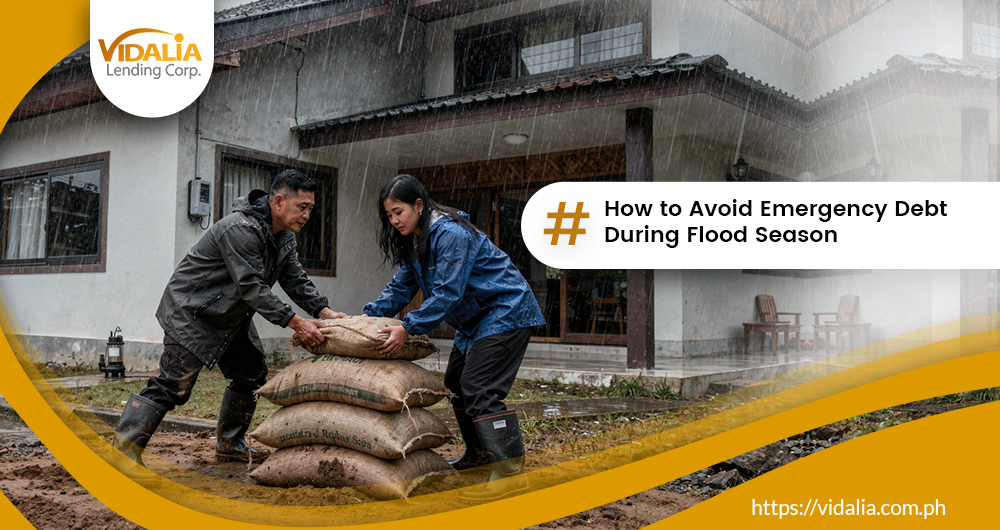
How to Avoid Emergency Debt During Flood Season
You’ve weathered storms before, but have you calculated what they actually cost you? When floodwaters rise, so does your financial vulnerability—and that emergency loan at 20% interest might seem like your only lifeline. Here’s the reality: most Filipino families are one disaster away from crushing debt. What if you could flip that script? Let’s build a financial defense system that keeps predatory lenders at bay when the next typhoon warning drops.
Introduction
When will the next flood hit your neighborhood—and will you have enough cash to recover without drowning in debt?
With La Niña threatening Cebu through early 2026, weather forecasting and early warning systems signal serious risks. You need more than safety measures—you need financial readiness.
This guide combines risk assessment with community cooperation strategies, delivering actionable steps to protect your money when floodwaters rise. Maintaining an adequate emergency fund can provide critical financial stability during unexpected flood-related expenses.
Understand Flood Risks
La Niña isn’t just a weather pattern—it’s a financial threat multiplier that’s already reshaping Cebu’s 2026 flood landscape.
PAGASA’s warnings point to intensified flash floods and landslides across Visayas, with shear lines dumping unprecedented rainfall on vulnerable drainage infrastructure.
Your risk assessment should include:
- Floodzone mapping that identifies your neighborhood’s elevation and historical water levels
- Rainfall forecasting through PAGASA’s daily bulletins and community alerts
- Warning systems that trigger your 72-hour financial lockdown protocol before storms hit
Millennials should establish financial goals in advance to prepare for potential flood-related emergencies.
Hidden Financial Costs
Beyond the receding floodwaters lies a brutal economic reality: Filipino families lose 1-2 months of household income on average after a single flood event. Insurance gaps leave you exposed to hidden expenses most budgets can’t absorb. Implementing strategic diversification across multiple platforms can help secure your finances against emergency debt during flood season.
| Immediate Costs | Delayed Impact |
| Temporary shelter (₱8,000-15,000) | Lost wages during cleanup |
| Appliance replacement | Informal loans at 20% monthly interest |
| Emergency supplies | Depleted community aid reserves |
Build Your Emergency Buffer
The gap between financial ruin and resilience starts with a three-tier buffer system that shields your family from predatory lenders.
- Cash reserve (₱3,000): Keep small bills in waterproof pouches for immediate evacuation needs when ATMs fail.
- E-wallet fund (₱5,000): Load GCash or Maya 72 hours before weather alerts predict flooding.
- Calamity account (₱20,000): Build gradually through investment planning and community support programs.
This financial literacy foundation beats expensive insurance coverage gaps.
Implementing this buffer system helps avoid taking on 5/6 lending options that typically charge interest rates up to 20% during emergency situations.
Digital Prep Essentials
When floodwaters destroy your physical documents, you’ll face delays in claiming aid, accessing loans, and proving property ownership—unless you’ve already digitized everything.
Upload IDs, land titles, and bank slips to Google Drive or Dropbox with password protection for digital security.
Enable two-factor authentication for cybersecurity awareness.
Store device backup copies on separate cloud storage accounts.
Keep waterproofed physical originals with ₱500 in small bills.
During emergencies, avoid falling into the trap of predatory lending practices which can lead to harassment and dangerous debt cycles when you’re most vulnerable.
Upload IDs, titles, and slips to cloud; waterproof physical copies with small bills.
Start by photographing every critical document on your phone today—government IDs, land titles, birth certificates, marriage contracts, insurance policies, and three months of bank statements.
Upload them to Google Drive or OneDrive for cloud storage, enabling quick ID verification during aid applications.
Protect physical copies through these waterproofing techniques:
- Seal originals in ziplock bags with ₱500 in small bills
- Store duplicates at a relative’s higher-elevation home
- Create a document organization folder labeled “Emergency Access Only”
Consider preparing detailed financial documents similar to those required for small business loans to expedite emergency assistance applications.
Long-Term Resilience
Building a calamity fund isn’t a one-time event—it’s a yearly habit that compounds into true financial security.
Review your savings every rainy season, freeze non-essential spending for two months, and pre-register for government aid programs.
Join community alerts for weather tracking and volunteer opportunities that teach flood proofing tips.
Home safety upgrades—like elevated appliances—pay dividends when storms hit.
Maintaining a savings account with regular contributions demonstrates financial responsibility that can improve your loan approval chances during post-flood recovery.
Final words
Although no one can predict exactly when the next storm will strike, you’re now equipped with a three-layer defense: emergency buffers that prevent panic borrowing, government aid channels that deliver relief without repayment stress, and micro-insurance that pays out faster than traditional lenders. When facing post-flood financial challenges, understanding the difference between personal and business loans can help you make more informed borrowing decisions if emergency funds are depleted.