How to Recover From Overspending After the Holidays
If you’re looking at those credit card bills that make your heart sink, you’re definitely not the only one dealing with this after the holidays. The joy of buying gifts for family and celebrating with loved ones can quickly turn into serious worry when the bills start coming in. But here’s what you need to know: you can definitely bounce back from this situation with the right plan, strong will, and quick action. The secret is knowing exactly how much you owe and following a step-by-step approach that will help you get your finances back in order much sooner than you think possible.
Assess the Full Financial Impact of Your Holiday Spending
First, you need to face how much you really spent during the holidays, even if those numbers might make you feel anxious right now.
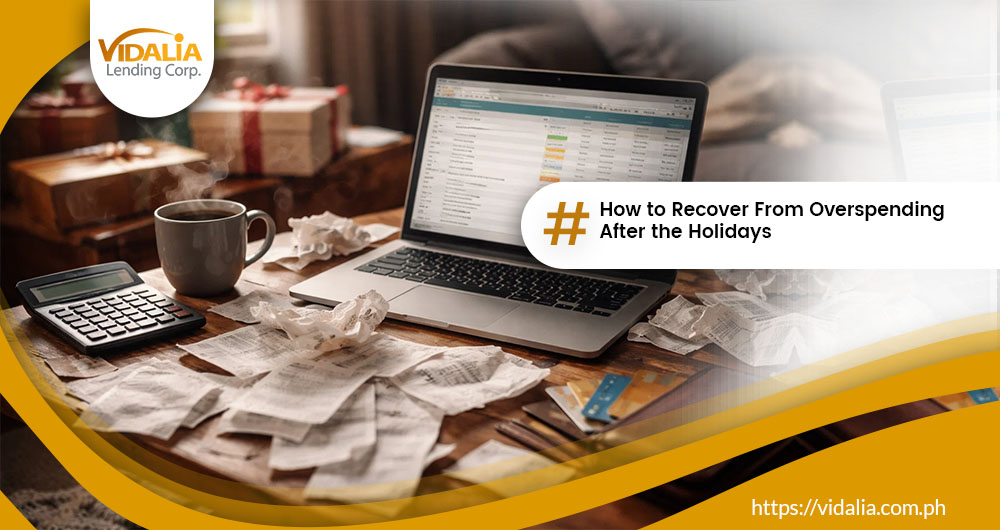
Get all your credit card bills, receipts, and bank statements from November through January. Make a complete list that includes money spent on gifts, travel, food, decorations, and parties.
Don’t forget about extra costs like delivery fees, tips for service workers, or those emergency last-minute purchases. This honest look at your holiday spending shows you exactly where your money went.
Yes, seeing those totals might hurt a little, but knowing exactly how much you spent gives you the power to make a good plan to bounce back financially. Practice wise budgeting by reviewing each expense to understand which purchases were truly necessary versus those driven by holiday emotions. You’re not alone in feeling stressed about this process, as 99% review their bank statements after the holidays and many experience anxiety when confronting their financial reality.
Create an Emergency Action Plan to Stabilize Your Budget
Take immediate action to protect your family’s financial foundation by focusing on what matters most right now.
Emergency budgeting means prioritizing house rent, electricity bills, water bills, and groceries before spending on anything else. Stop eating out at restaurants, avoid mall shopping, and skip unnecessary purchases until your finances become stable again.
Create a new monthly budget that focuses on paying off debts, writing down every peso you spend, and setting firm limits on your expenses. Plan ahead by listing upcoming costs like insurance payments, appliance repairs, or medical check-ups. Review your bank statements to calculate exactly how much you spent during the holidays and identify which categories caused the most damage.
Slowly rebuild your emergency savings with small, realistic goals like setting aside 5,000 pesos every month. Focus on distinguishing between wants and needs to prevent future overspending episodes and maintain better financial discipline. This step-by-step approach will give you peace of mind about money and help you avoid overspending in the future.
Eliminate Non-Essential Expenses and Find Additional Income
Once you’ve gotten your immediate budget under control, it’s time to take a harder look at where your money goes and find ways to bring in more.
Start by spotting those expenses that aren’t really necessary – things like subscription services you barely watch, eating out too often, or buying things on impulse when you’re at the mall or scrolling through online shops.
Cut those streaming services you only use once a month, give yourself three days to think before buying something you want but don’t really need, and stop using ATMs that charge you extra fees just to get your own money. Many consumers are already making similar adjustments, with 37% buying more own brand and value products to stretch their budgets further.
At the same time, look for ways to earn extra income.
You could try online freelancing, sell clothes or gadgets you don’t use anymore, or take on weekend jobs like food delivery or tutoring. Focus on differentiating between needs and wants to maintain better control over your expenses moving forward.
When you cut unnecessary spending while also finding new ways to earn, you’ll get back on your feet much faster and build a stronger financial foundation for your family.
Develop a Strategic Plan to Prevent Future Holiday Overspending
After going through the stress and money problems from spending too much during the holidays, you’ll want to make a good plan so this won’t happen again next year.
Start by opening a special savings account just for holidays and set up automatic monthly deposits, just like paying your electric or water bill. These tried-and-tested money management tips include setting reasonable spending limits early, making detailed lists of gifts for family and friends, and following the one-day waiting rule before buying anything on impulse.
Focus on creating happy memories and special moments together rather than buying expensive presents, and use simple tracking methods to watch every peso you spend. Consider working with financial institutions that offer transparent loan terms if you need additional support during your recovery process. Monthly budgeting helps promote better financial control and can lead to improved savings with effective planning. With steady planning and strong self-control, you can enjoy future holidays with your loved ones without worrying about money problems later.